Best Heavy-Duty Home Sewing Machines for Tough Fabrics
Answering the search for a reliable, heavy-duty home sewing machine, the best picks below are designed to handle denim, canvas, vinyl, and multiple layers. These machines cater to practical repairs and serious crafting alike. The top choices listed suit different buyers: hobbyists needing strong all-purpose performance, crafters who sew thicker materials, and beginners stepping up to durable machines. A quick summary table helps you compare core specs at a glance.
| Product | Built-In Stitches | Stitches Per Minute | Best For |
|---|---|---|---|
| SINGER Heavy Duty 4411 | 11 stitches | 1100 SPM | Denim, leather projects |
| SINGER Heavy Duty 4452 | 32 stitches | 1100 SPM | Thicker fabrics, general sewing |
| Brother ST371HD | 37 stitches | 1100 SPM | Beginner-to-intermediate with free-arm |
| SINGER Heavy Duty 4423 | 23 stitches | 1100 SPM | Versatile everyday projects |
| SINGER Heavy Duty 6380 | 32 stitches | 1100 SPM | Denim & home décor |
SINGER Heavy Duty 4411 (Grey) High Speed Sewing Machine

The 4411 model offers 50% more power and a metal frame, making it well-suited for sewing thick fabrics such as denim and leather. It supports up to 1,100 stitches per minute and includes 11 built-in stitches, enabling basic seams as well as decorative options. Best for hobbyists tackling durable materials without sacrificing speed, it balances power with user-friendly controls.
Best for: Beginners upgrading from lightweight machines and crafters who need reliable power for thicker fabrics. Reason: strong motor and sturdy frame provide consistent stitching on tough materials.
Caution: Limited stitch variety may require a separate machine or upgrade for highly specialized decorative work.
SINGER Heavy Duty 4452 (Grey) High Speed Sewing Machine

The 4452 adds versatility with 32 built-in stitches and 110 stitch applications, plus a robust motor for tackling multiple layers. It comes with a comprehensive all-in-one accessory kit including walking foot and other essentials that support sewing on basic through heavy fabrics. This machine suits crafters who want more stitch options without sacrificing speed.
Best for: Sewers who want a broader stitch library for fashion, décor, and repair work. Reason: wider stitch range supports more creative and functional projects.
Caution: Additional feet and attachments may be needed for specialized techniques beyond the included kit.
Brother ST371HD Sewing Machine
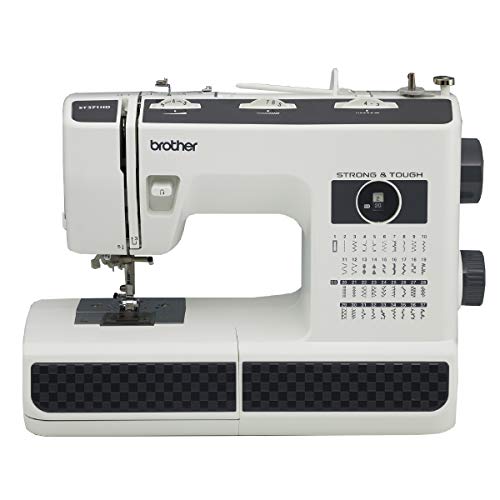
The Brother ST371HD emphasizes durability and user-friendly features. It offers 37 built-in stitches and an auto-size buttonhole, plus an automatic needle threader and drop-in top bobbin for smoother operation. With six included feet, this machine balances robust performance with practical, everyday use for beginners and intermediate sewers alike.
Best for: Beginners or casual sewers seeking a strong all-purpose machine with evaluated ease of use. Reason: combination of automatic threading features and a sturdy core build supports steady progress.
Caution: As a compact heavy-duty unit, you may wish for wider workspace for large projects like quilting.
SINGER Heavy Duty 4423 (Grey) High Speed Sewing Machine

The 4423 pairs 23 built-in stitches with 97 stitch applications and a high-torque motor for faster threading through thicker seams. It includes an automatic needle threader and a metal frame for reliability at high speeds. This model is well-suited for users who want a dependable machine capable of handling a range of fabrics while maintaining quick workflow.
Best for: Sewers prioritizing fast performance with a broad set of stitch options. Reason: strong motor and versatile stitch library support many project types.
Caution: 1100 stitches per minute can be challenging for absolute beginners; steady practice is advised.
SINGER Heavy Duty 6380 Sewing Machine with Extension Table

The 6380 combines 32 built-in stitches with 110 stitch applications and a full metal frame, plus an extension table for larger projects. It’s designed for heavy fabrics like denim and canvas, while adjustable presser foot pressure supports lighter-weight fabrics. This model is a strong pick for quilters and home décor enthusiasts who need a robust, table-ready machine.
Best for: Crafters who regularly work with thick textiles and require a larger work surface. Reason: extension table and stronger power enable consistent results on bulky fabrics.
Caution: The feature set may be more than needed for light, quick repairs.
Buying Guide: What to Consider When Choosing a Home Heavy-Duty Sewing Machine
- Fabric tolerance: Look for a heavier motor and metal frame to handle denim, canvas, and leather without slowing down.
- Stitch options: Decide how many built-in stitches you need. More stitches offer versatility for garments, decor, and repairs.
- Speed vs. control: Higher stitch rates increase productivity but require careful handling on thick seams; ensure the machine offers adjustable speed or a relaxed start.
- Extras and accessories: A comprehensive kit (feet, needles, bobbins, and a protective cover) reduces the need for immediate additional purchases.
- Maintenance: Features like a drop-in bobbin and automatic needle threader simplify setup and maintenance, especially for beginners.
- Workspace and attachments: An extension table or ample workspace helps when sewing large items and quilting projects.
- Weight and portability: Heavier machines offer stability but are less portable; handheld or lighter options excel for quick repairs on the go.
Frequently Asked Questions
- What is the difference between heavy-duty and regular sewing machines?
Answer: Heavy-duty machines use stronger motors and metal frames to sew thick fabrics and multiple layers more reliably than standard models. - How many stitches should a heavy-duty machine have?
Answer: For most home projects, 23–32 built-in stitches with 97–215 stitch applications provide ample versatility. - Is an extension table necessary for heavy fabrics?
Answer: An extension table helps manage large projects by increasing workspace and stability. - Do heavy-duty machines require special needles?
Answer: Yes; use needles rated for the fabric you’re sewing, especially for denim and leather to prevent breakage. - Are automatic needle threaders important?
Answer: They reduce eye strain and speed up setup, particularly for beginners. - Can I use these machines for quilting?
Answer: Some models include features and accessories suitable for quilting, but check for a walking foot and stitch width options if quilting is a primary use.
Leave a Reply