Best Wood Primer for Acrylic Paint: Top Gesso and Primer Options for Smooth, Ready Surfaces
Choosing the right wood primer for acrylic paint is essential for a flawless finish. This guide highlights five top primers and gessos that work well on wood, offering smooth tooth, good adhesion, and durable results. Each option fits different project needs—from beginners seeking simple prep to artists wanting professional-grade surface preparation.
Buyer focus: This selection targets artists and DIYers priming wood for acrylics who want reliable coverage, ease of use, and a surface that accepts paint evenly. The table below summarizes the key picks and who they’re best for.
| Product | Best For | Notes |
|---|---|---|
| Liquitex BASICS Gesso Surface Prep Medium | General purpose acrylics | Good base coat; 1 coat often enough |
| FolkArt Clear Primer | Clear finish on wood | Water-based, non-toxic |
| Zinsser Bulls Eye 1-2-3 Primer Sealer | Interior/exterior, glossy surfaces | Bond to glossy surfaces without scuff sanding |
| BLUEBIRD Heavy Gesso Primer | Versatile, artist-grade coverage | Excellent adhesion and surface versatility |
| Nicpro White Gesso Primer | Bright white base | Heavy coverage for rich color |
Liquitex BASICS Gesso Surface Prep Medium
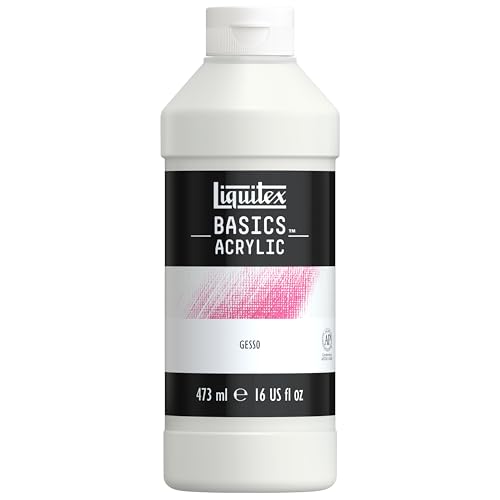
Product overview: A value acrylic gesso used to prepare surfaces for acrylic and oil paints, supplied in a 16-oz bottle. It provides a solid base that smooths texture while preserving tooth for paint adhesion. Best for artists needing a reliable base coat on wood panels or canvas boards.
Who it’s best for and why: Ideal for beginners and hobby painters seeking predictable results with minimal coats. Because it’s a standard gesso, it builds a consistent tooth on wood without excessive buildup.
Limitations: Some users may prefer heavier priming for very porous woods; in that case, apply a second coat after the first dries.
FolkArt Clear Primer

Product overview: Clear, water-based primer designed for various surfaces, including wood. Comes in an 8 oz bottle and provides a clear finish to prep surfaces before painting with acrylics.
Who it’s best for and why: Best for projects where a clear primer is desired to preserve the natural wood tone beneath color. Suitable for smaller crafts and decorative pieces where color neutrality is important.
Limitations: Clear primers may not mask underlying stains as effectively as white primers; consider stain-sealing options if needed.
1 Quart Bulls Eye 1-2-3 Primer Sealer Stain Killer

Product overview: A versatile primer sealer designed for interior and exterior use on a variety of surfaces. Bonds to glossy surfaces without scuff sanding and is formulated for low-temperature application down to 35°F.
Who it’s best for and why: Best for projects involving wood with varying finishes or previous coatings. Its sealing properties help prevent bleed-through and improve paint adhesion on challenging substrates.
Limitations: Being a larger quart, it’s more suited to larger projects; for small crafts, a smaller container might be more economical.
BLUEBIRD Heavy Gesso Primer

Product overview: Heavy gesso primer designed for acrylic painting on wood and other surfaces. Offers superior coverage and excellent adhesion, formulated for versatility across canvas, wood, and more in a single coat when possible.
Who it’s best for and why: Best for artists needing strong coverage on porous wood without multiple coats. Its versatility supports mixed-media applications on wood panels and canvas.
Limitations: Depending on project texture, additional coats may improve tooth for very smooth woods or highly absorbent substrates.
Nicpro White Gesso Primer
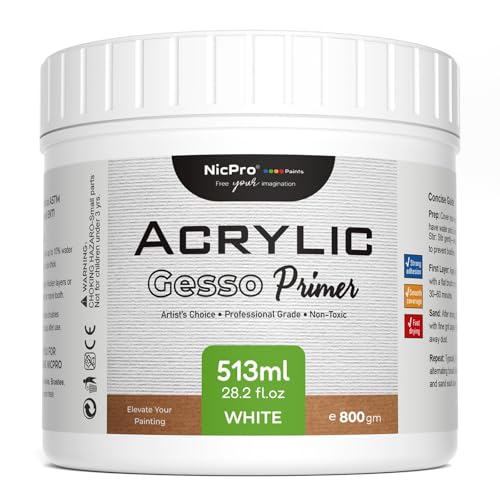
Product overview: White gesso primer in a 28.2 oz jar, designed to provide excellent coverage and a bright white base for acrylic or oil painting on wood, canvas, and other porous substrates.
Who it’s best for and why: Excellent for artists who want a bright base to enhance color saturation and keep paint true to tone on wood substrates. Heavy coverage helps conceal imperfections before painting.
Limitations: White gesso can alter the perceived brightness of paints if used excessively on very dark or stained wood; balance with color testing first.
Buying Guide: Wood Primer For Acrylic Paint
What should you consider when picking a wood primer for acrylics?
- Surface type and porosity: More porous woods may require heavier or multiple coats, while sealed or smooth wood benefits from lighter coats that still provide grip.
- Base color and effect: White and light-colored gessos brighten colors and improve vibrancy; clear primers preserve natural wood tones but may need extra coats to seal heavy stains.
- Adhesion and sanding: Some primers bond well without sanding; others benefit from a light scuff for better paint grip. Plan for your preferred prep workflow.
- Drying time and recoat: Faster-drying formulas speed up projects; check recoat windows to avoid peeling or wrinkling.
- Compatibility with acrylic or oil paints: Most gessos are acrylic-friendly, but verify if you plan to switch between media.
- Coverage and cost: Larger containers may be economical for bigger projects; smaller pots can be easier for craft tasks.
Practical tips for choosing
- For vibrant color, choose white gesso with high opacity.
- For preserving wood grain, consider clear primer options.
- For mixed-media work, a versatile primer with strong adhesion is beneficial.
Summary of recommended choices by use case
- Best overall for acrylic painting on wood: Liquitex BASICS Gesso Surface Prep Medium.
- Best for clear finish on wood: FolkArt Clear Primer.
- Best for glossy or difficult surfaces: Zinsser Bulls Eye 1-2-3 Primer Sealer.
- Best for versatile, heavy coverage: BLUEBIRD Heavy Gesso Primer.
- Best for bright white base: Nicpro White Gesso Primer.
FAQ
- What is the difference between gesso and primer for wood?
Gesso is a traditional primer that adds tooth for paint adhesion, usually white or clear, whereas primers or sealers are formulated to block stains and seal substrates. Gesso often provides a rougher surface, while primers can offer a smoother foundation. - Can I use acrylic paint directly on wood without primer?
Priming is recommended to improve adhesion, prevent stain bleed-through, and create an even surface for color accuracy. - Is a clear primer enough for wood with stains?
Clear primers may not fully seal heavy stains; consider a stain-blocking option or a white primer for complete coverage. - How many coats does wood primer typically need?
Most woods benefit from 1–2 coats; porous or stained woods may require additional coats for uniform coverage. - Which primer is best for moisture-prone areas?
Sealers designed for interior/exterior use with good moisture resistance are preferred, such as some all-surface or exterior-grade primers. Check product specs for moisture tolerance. - Are water-based primers safer for indoor use?
Water-based primers generally emit fewer odors and are lower in volatile organic compounds (VOCs), making them better for indoor projects.
Leave a Reply